
Hue – the land of palaces, tombs, and the poetic Perfume River – preserves Vietnam’s unique history, culture, and architecture. With its slow-paced lifestyle and gentle atmosphere, Hue offers travelers an experience that is both solemn and romantic, perfect for those who want to explore history, enjoy local cuisine, and relax in a peaceful setting.
1. Best Time to Visit Hue

-
Spring (January – March): Pleasant weather, vibrant festivals, and blooming flowers all around.
-
Summer (April – June): Warmer climate, suitable for sightseeing in the city and nearby areas.
-
Autumn (July – September): Cooler temperatures, clear skies, and beautiful scenery along the Perfume River.
-
Winter (October – December): Chilly and comfortable, ideal for walking, photography, and enjoying warm local dishes.
2. Getting to Hue
-
By Plane: Phu Bai Airport is about 15 minutes from the city center, with flights from Hanoi, Ho Chi Minh City, Da Nang, and other cities.
-
By Train: A scenic way to travel through Central Vietnam, offering views of coastal landscapes along the route.
-
By Bus / Private Car: Many convenient routes from nearby provinces, affordable and comfortable.
Getting around the city: motorbike, taxi, Grab, or walking along the Perfume River and city center to fully enjoy Hue’s charm.
3. Must-Visit Attractions
a. Hue Imperial City (The Citadel)
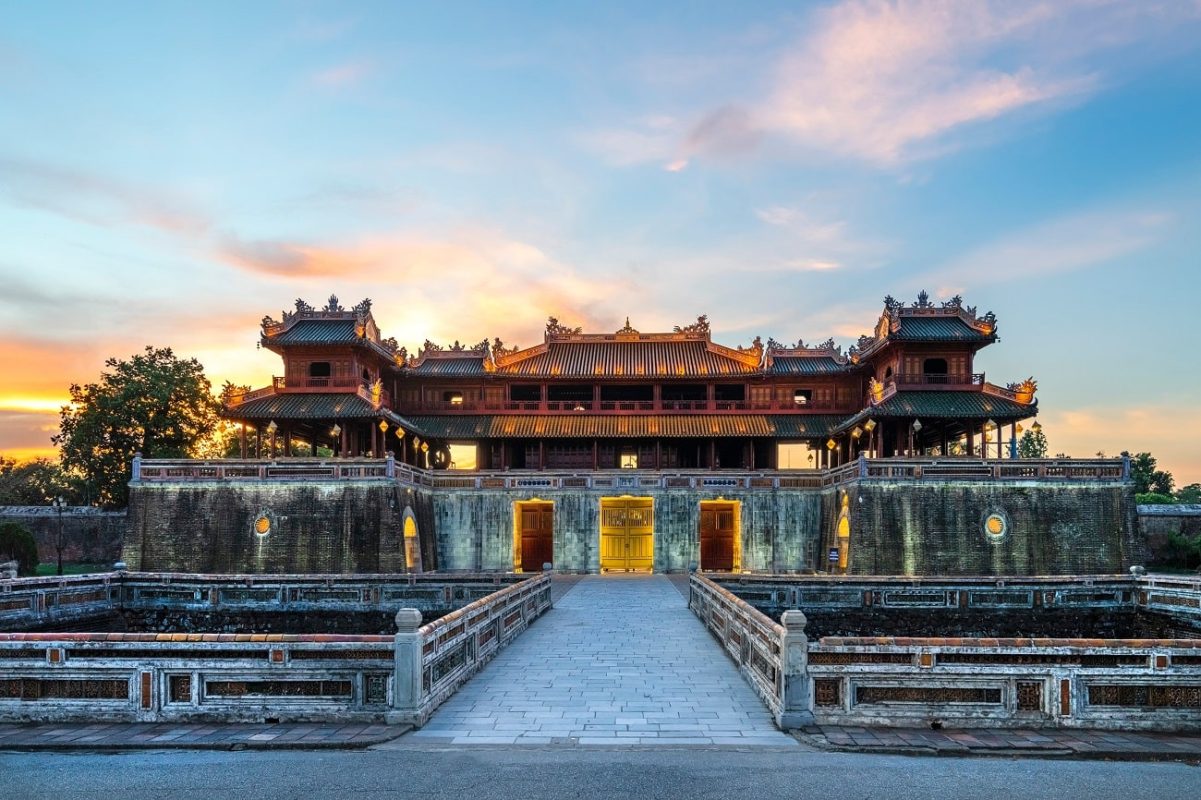
A historical symbol preserving palaces, towers, and unique architecture of the Nguyen Dynasty. Visitors can explore the gates, Thai Hoa Palace, the Forbidden Purple City, and many other relics.
b. Royal Tombs of the Nguyen Kings
-
Minh Mang, Khai Dinh, Tu Duc Tombs: Each tomb has its own unique architecture, blending traditional Vietnamese and Western influences.
-
Peaceful surroundings: Tombs are often located in forests and lakes, creating a serene and romantic atmosphere.
c. Perfume River and Trang Tien Bridge
The poetic river winds through the city, perfect for boat rides, sunset views, and enjoying traditional royal music on dragon boats. Trang Tien Bridge is an iconic symbol of architecture and history.
d. Thien Mu Pagoda
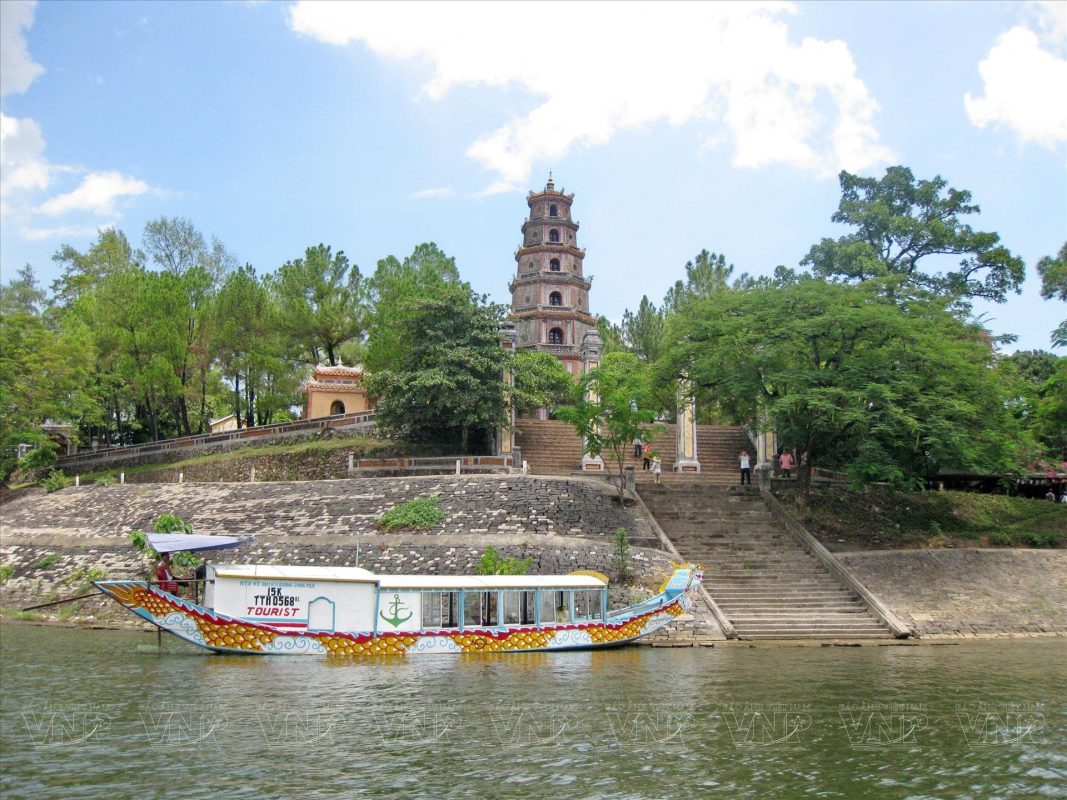
An ancient pagoda located on the riverbank, symbolizing Hue’s spiritual and architectural heritage. From the pagoda, visitors can admire panoramic views of the city and Perfume River.
e. Traditional Craft Villages
-
Conical hat village, painting village, Thanh Thuy pottery village: Explore the process of traditional crafts and buy unique souvenirs.
4. Hue Cuisine
Hue is famous for its royal cuisine and Central Vietnam specialties:
-
Hue Beef Noodle Soup (Bun Bo Hue): Rich, flavorful broth with tender beef.
-
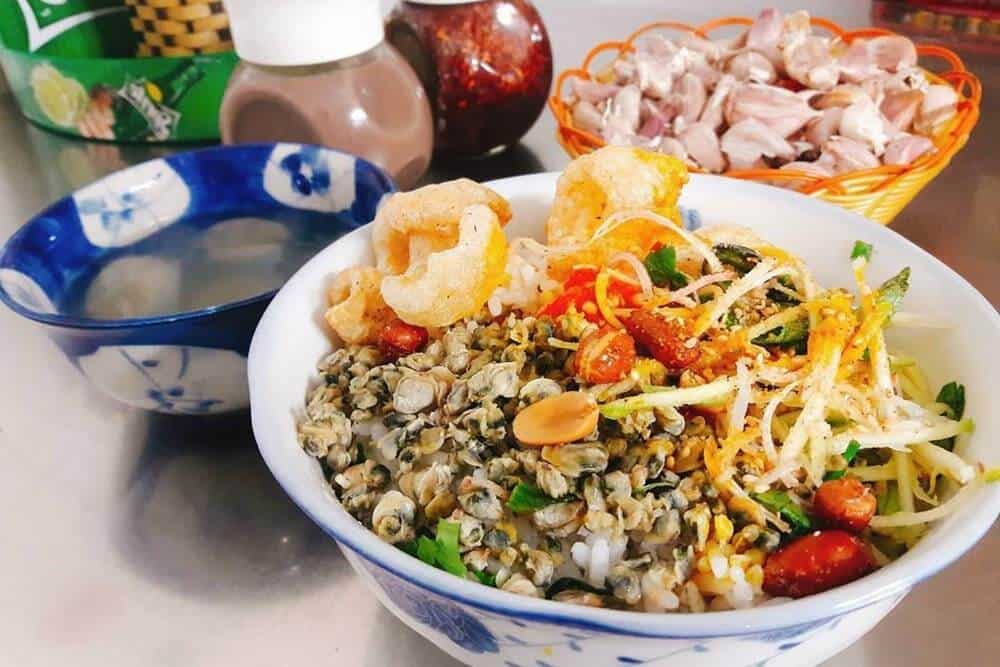
Clam Rice (Com Hen): A simple but delicious dish with clams, herbs, peanuts, and sweet-sour fish sauce.
-
Banh Beo, Banh Nam, Banh Bot Loc: Small, delicate rice cakes unique to Hue.
-
Hue Sweet Soup (Che): Colorful and refreshing dessert.
-
Other specialties: Nem Lui (grilled pork skewers), Banh Khoai, mini meat pies, and roasted sweet potatoes.
5. Travel Tips for Hue
-
Weather: Bring light jackets, hats, sunscreen, and comfortable shoes.
-
Transportation: Motorbikes, taxis, or electric bicycles are popular for exploring the city center.
-
Duration: Spend at least 2–3 days to visit historical sites, tombs, and enjoy local cuisine.
-
Etiquette: Respect cultural norms, be polite at temples and pagodas, and take photos respectfully.
-
Essentials: Camera, phone, power bank, water, and personal identification.
Hue is where history, culture, and poetic landscapes meet, offering travelers a peaceful, romantic, and profound experience. A trip to Hue will leave you with unforgettable memories and the feeling of slowing down in the heart of an ancient capital.


